

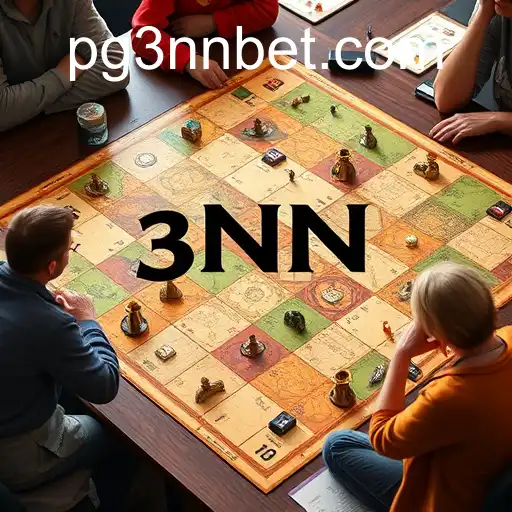
RiseOfEgypt: Unveiling the Mysteries of the Ancient World with 3NN
RiseOfEgypt: Unveiling the Mysteries of the Ancient World with 3NN
In today's digital age, gaming experiences have transcended traditional boundaries, merging history with innovation. RiseOfEgypt exemplifies this fusion by offering an immersive journey into the enigmatic world of ancient Egypt. This game invites players to explore the rich tapestry of Egyptian history intertwined with strategic gameplay elements, all revolving around a unique concept known as 3NN.
Introduction to RiseOfEgypt
RiseOfEgypt is a game set against the backdrop of one of history's most fascinating civilizations. Players are transported back in time to the banks of the Nile, where they assume the role of influential leaders striving to build thriving empires. The essence of the game lies in its ability to balance historical accuracy with engaging gameplay.
The game's developers have painstakingly researched ancient Egyptian culture to recreate a world that looks and feels authentic. From the grandeur of the pyramids to the bustling marketplaces of Thebes, every detail is meticulously crafted to provide a genuine glimpse into the past. The primary objective is to build and expand a prosperous civilization while navigating the political and economic challenges of the era.
The Role of 3NN in Game Dynamics
At the heart of RiseOfEgypt's gameplay is the intriguing concept of 3NN, or the Tri-Nodal Network. This innovative gameplay mechanism introduces a strategic layer that sets the game apart. The concept involves three key nodes: Knowledge, Negotiation, and Navigation, each representing a crucial aspect of leadership and decision-making in ancient Egypt.
Knowledge: This node emphasizes the acquisition and utilization of wisdom. Players must gather information through research and exploration, unlocking secrets hidden within ancient texts and artifacts. Knowledge is essential for making informed decisions that impact the growth and prosperity of their civilization.
Negotiation: The world of ancient Egypt was rife with political intrigue, and mastering the art of negotiation is paramount. Players must establish alliances, forge trade agreements, and navigate diplomatic challenges. The skill of negotiation can avert potential conflicts or, alternatively, secure vital resources for expansion.
Navigation: The Nile River was the lifeblood of ancient Egypt, facilitating trade and communication. Mastering navigation enables players to explore new territories, establish trade routes, and expand their influence across distant lands. Effective navigation strategies are crucial for maintaining supply lines and securing strategic advantages.
Gameplay Description
RiseOfEgypt unfolds as a beautifully detailed strategy game where players oversee the development and expansion of their Egyptian empire. The game's interface is designed to be intuitive, guiding players through complex decision-making processes with finesse.
Players start by selecting their leader avatar, each possessing unique abilities and traits that influence gameplay. The choice of leader affects initial resources, military strength, and diplomatic capabilities, adding a layer of personalization to each playthrough.
The game world is divided into regions, each with distinct landscapes, resources, and strategic importance. Players must carefully manage these regions, constructing cities, developing infrastructure, and nurturing cultural advancements. The ultimate goal is to achieve dominance by raising a civilization that stands the test of time.
Exploring the Game's Features
One of the standout features of RiseOfEgypt is its dynamic economy system. Players must balance income from agriculture, trade, and taxation while investing in technological advancements and military strength. Economic stability is crucial for maintaining the empire's growth and ensuring the prosperity of its citizens.
The game also emphasizes cultural development. Players are tasked with building monumental structures and supporting artistic endeavors, enhancing their civilization's prestige on the global stage. The construction of iconic landmarks like the Great Sphinx or the Library of Alexandria requires careful resource management and civic planning.
Military conflicts, while not the primary focus, play a significant role in defending the empire. Players can deploy armies, fortify cities, and engage in battles when diplomacy fails. The outcome of conflicts is determined by factors such as troop strength, terrain advantages, and the strategic deployment of resources.
Rules of Engagement
The rules of RiseOfEgypt are designed to ensure a deep, yet accessible gaming experience. Players must adhere to a set of guidelines that govern resource management, diplomatic interactions, and territorial expansion.
One of the fundamental rules is resource allocation. Players are given a finite set of resources at the beginning of each game, requiring careful planning to optimize their usage. Resources can be harvested from the environment, traded with neighboring civilizations, or acquired through diplomatic negotiations.
Diplomacy is another critical component of the game's rules. Players must navigate the complex web of alliances and rivalries inherent in the ancient world. Diplomatic decisions affect relationships with neighboring leaders, impacting trade opportunities and military alliances.
The game employs a turn-based system, allowing players to strategize and execute actions at their own pace. Each turn represents a specific period within the game's timeline, and players must adapt to changing circumstances, such as natural disasters, invasions, or technological breakthroughs.
Incorporating Current Events
RiseOfEgypt seamlessly integrates current events within its narratives, providing players with opportunities to explore historically inspired scenarios. For instance, players may encounter events mirroring modern-day geopolitical tensions, encouraging them to apply ancient wisdom to contemporary challenges.
The game's developers frequently update events, drawing upon themes such as resource scarcity, climate change, and technological innovation. These events not only enrich gameplay but also provoke thought-provoking parallels between the ancient and modern worlds.


Google Sitemap